

No. Wildfire mitigation isn’t about stripping your property bare or cutting down every tree and shrub. It’s about reducing the specific ways embers, flames, and radiant heat can ignite your home or the materials immediately around it, while keeping the landscape features that matter to you.
Trees and Shrubs Aren’t Automatically a Problem
The presence of trees and shrubs does not automatically make a property unsafe. A healthy, well-spaced tree can provide shade, habitat, privacy, and beauty. Wildfire risk increases when vegetation is dense, dead or poorly maintained, located against the home, or arranged in a way that lets heat from a fire move from wildfire fuel – like grasses, trees, and shrubs – to a home.
Wildfire mitigation focuses on those connections — not on removing every plant.
Mitigation Looks Different on Every Property
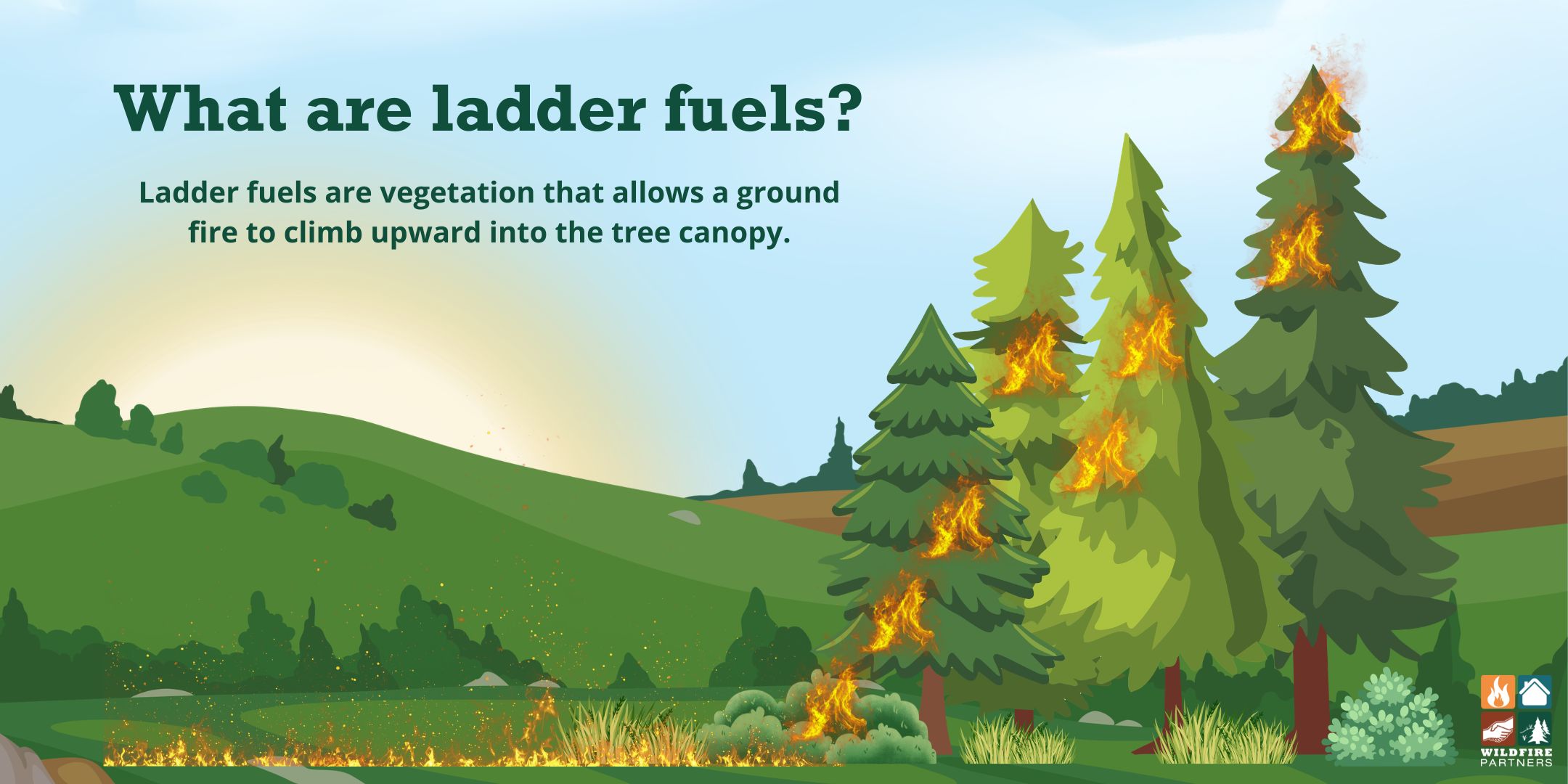
Conifer trees like junipers, pines, spruces, and firs, with their resinous needles, are more of a wildfire risk than deciduous trees. On a wooded mountain or foothills lot, mitigation may mean thinning crowded conifer trees, pruning low branches, and removing dense shrubs and young trees growing beneath taller ones. These smaller plants can act as “ladder fuels,” letting fire climb from the ground into tree canopies. Creating horizontal and vertical space between vegetation makes it harder for fire to build intensity, climb into tree canopies, and spread toward a home.
On smaller lots with fewer trees, the priority may shift to dry grass, bark mulch, wood fencing attached to a home, firewood, decks, and other combustible materials that can catch wind-blown embers or carry fire toward the structure – a priority on wooded properties as well.
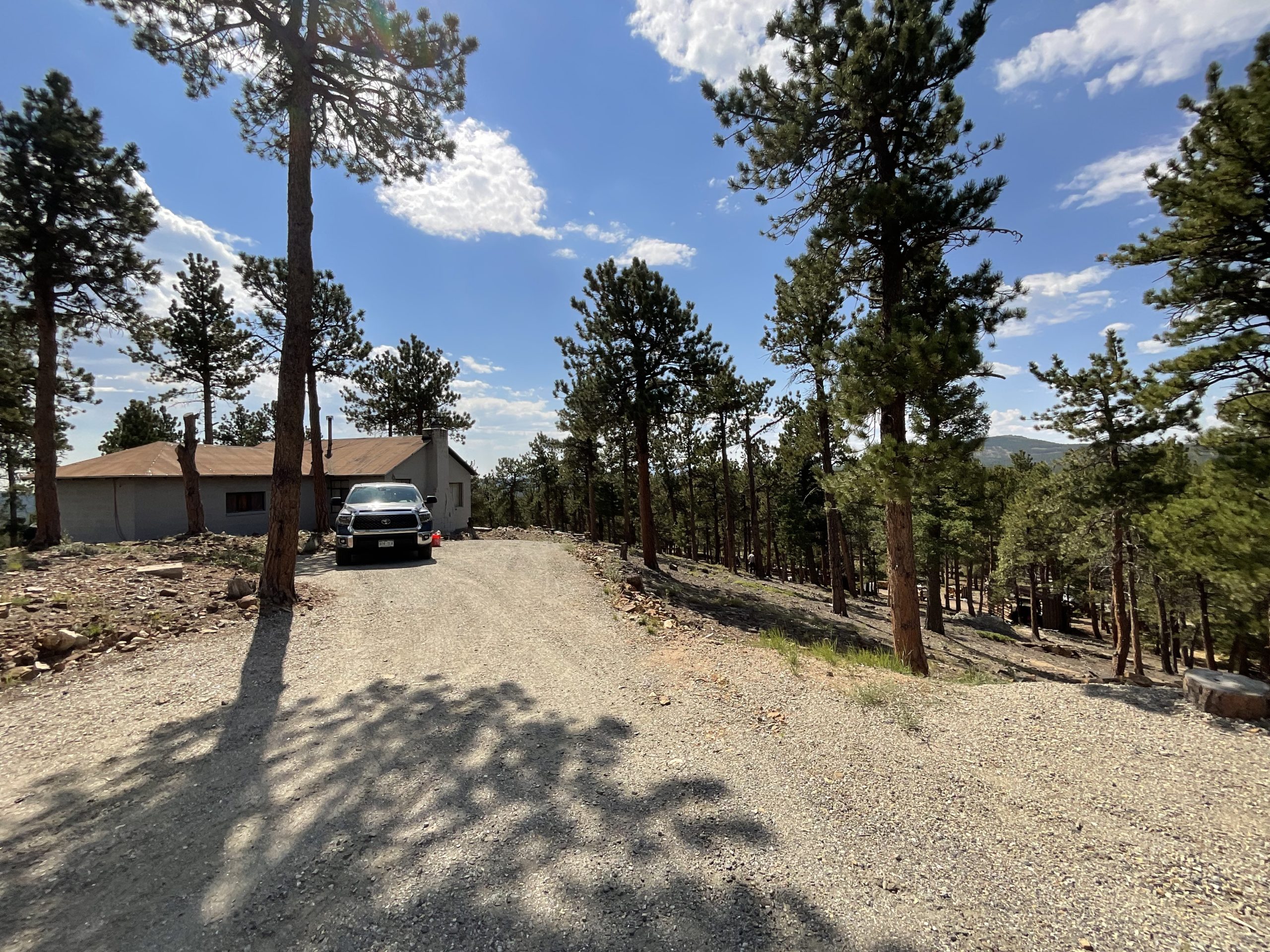
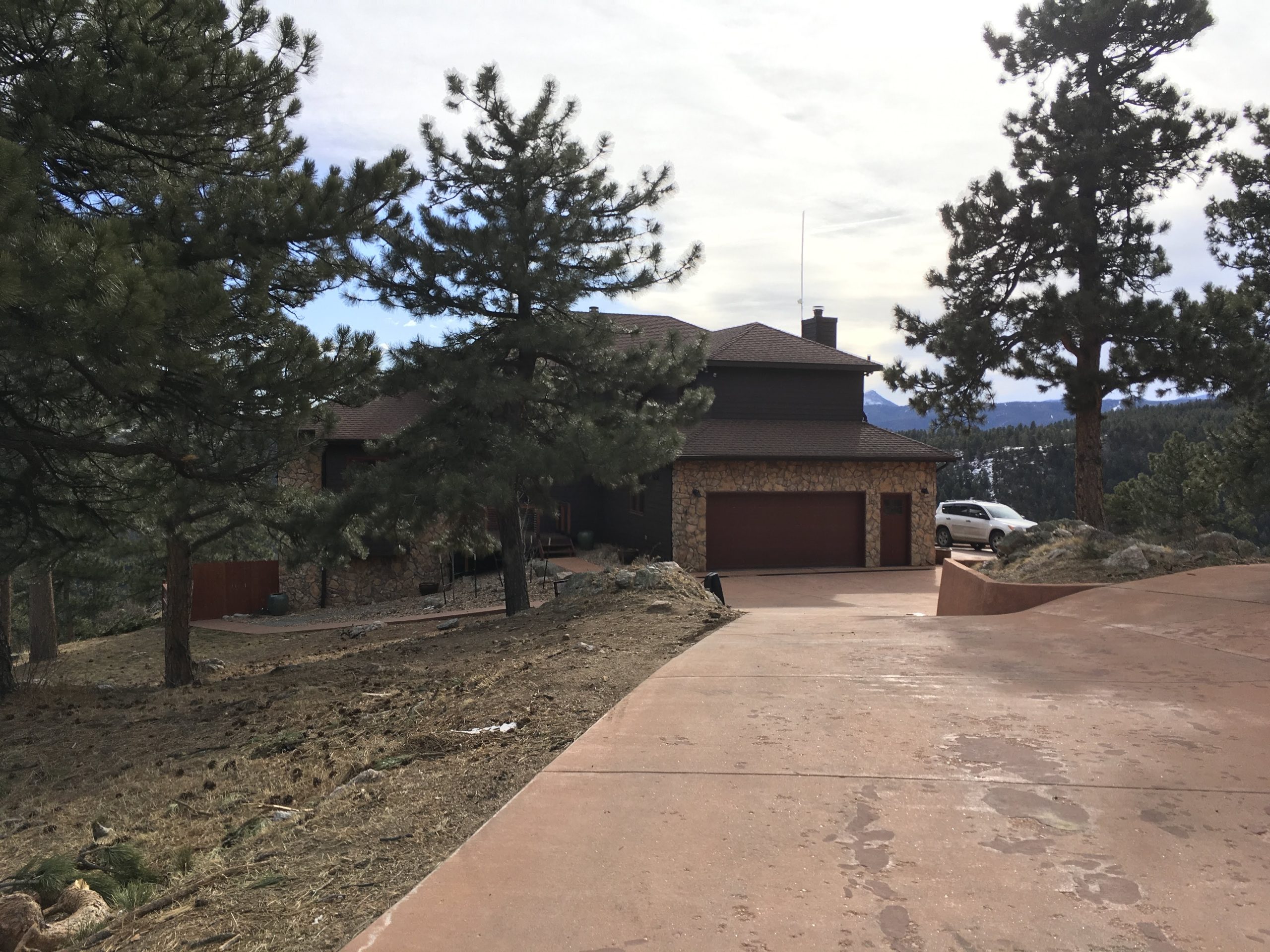
Mitigation doesn’t mean removing every tree. This home thinned trees to improve their wildfire resiliency.
Start with the First Five Feet
Embers can travel well ahead of a wildfire’s main front, landing in dry vegetation, mulch, gutters, or beside wood siding and fencing. That is why Wildfire Partners emphasizes creating and maintaining a noncombustible zone in the first five feet around homes and outbuildings, using materials such as gravel, crushed stone, pavers, brick, or concrete.
Priorities for the first five feet:
- Keep it free of vegetation and combustible materials
- Move firewood, lumber, propane tanks, and stored materials away from structures
- Clear leaves, needles, and debris from gutters, decks, and under structures
- Cover the bottom six inches of combustible siding with a noncombustible material, such as metal flashing
- Screen appropriate vents with 1/8-inch metal mesh or install wildfire-resilient vents
- Replace or modify the first five feet of combustible fencing attached to the home with a noncombustible material.
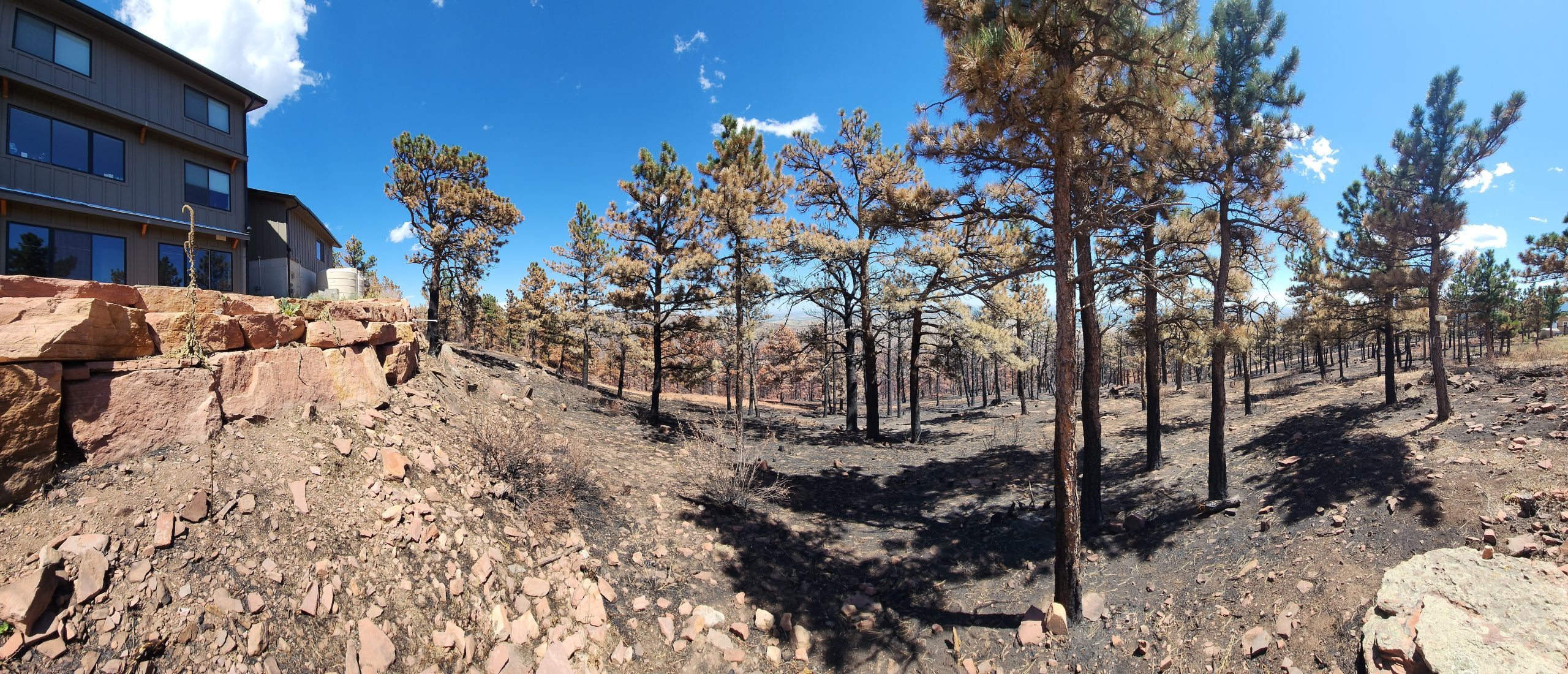
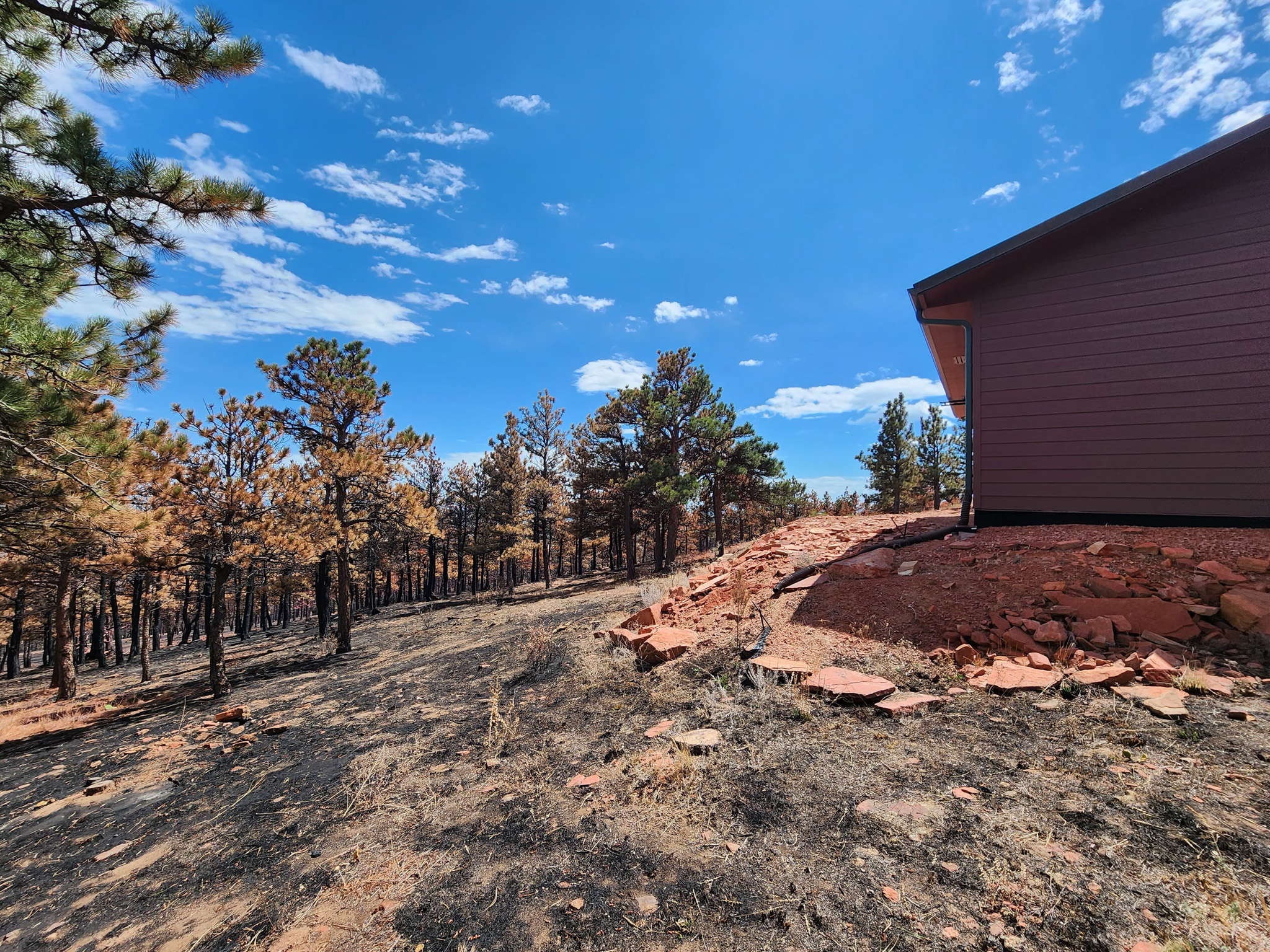
The Stone Canyon Fire surrounded this home in 2024. The black charring on the ground and trees show where the fire moved through, without igniting the home. This home may have survived the fire in part due to their defensible space thinning.
Small Lots, Real Limits, Real Options
Defensible space guidance often describes zones extending 30 to 100 feet or more, but many Boulder County residents have smaller lots, close neighbors, or other constraints. That doesn’t put mitigation out of reach. Focus on what you can control, especially closest to your home, and talk with neighbors about shared risk since wildfire doesn’t stop at property lines.
If privacy and screening your yard from neighbors is a priority on a smaller lot, CSU Extension’s Ignition-Resistant Plant List offers additional plant options that stay relatively safe when spaced appropriately from the home and each other.
Wildfire Partners has put together an easy-to-digest landscaping resource, which is particularly valuable for homes on small lots:
The Goal is Resilience, Not a Bare Yard
A well-mitigated property can still be green, shady, and welcoming. In wooded areas, thinning can open views and let in more light for grasses and wildflowers. On smaller lots, a resilient landscape can still include gardens, trees, and shrubs, arranged with wildfire in mind. Mitigation isn’t one-time work either. Vegetation grows back and debris accumulates, so regular upkeep and maintenance protects what you’ve done.
If you are unsure which changes matter most on your property, start with an individual home assessment rather than assuming every tree or shrub needs to go.
It’s common for people to hesitate before removing any trees, worried it will drastically change the look and feel of their forest. Once they remove one or two, most find their forest still feels like their forest, and often go on to remove more.
Wildfire Partners helps residents identify the risks specific to their property, from forest fuels to the first five feet around the home. The goal is not a barren property. It is a safer home in a landscape that still feels like yours.
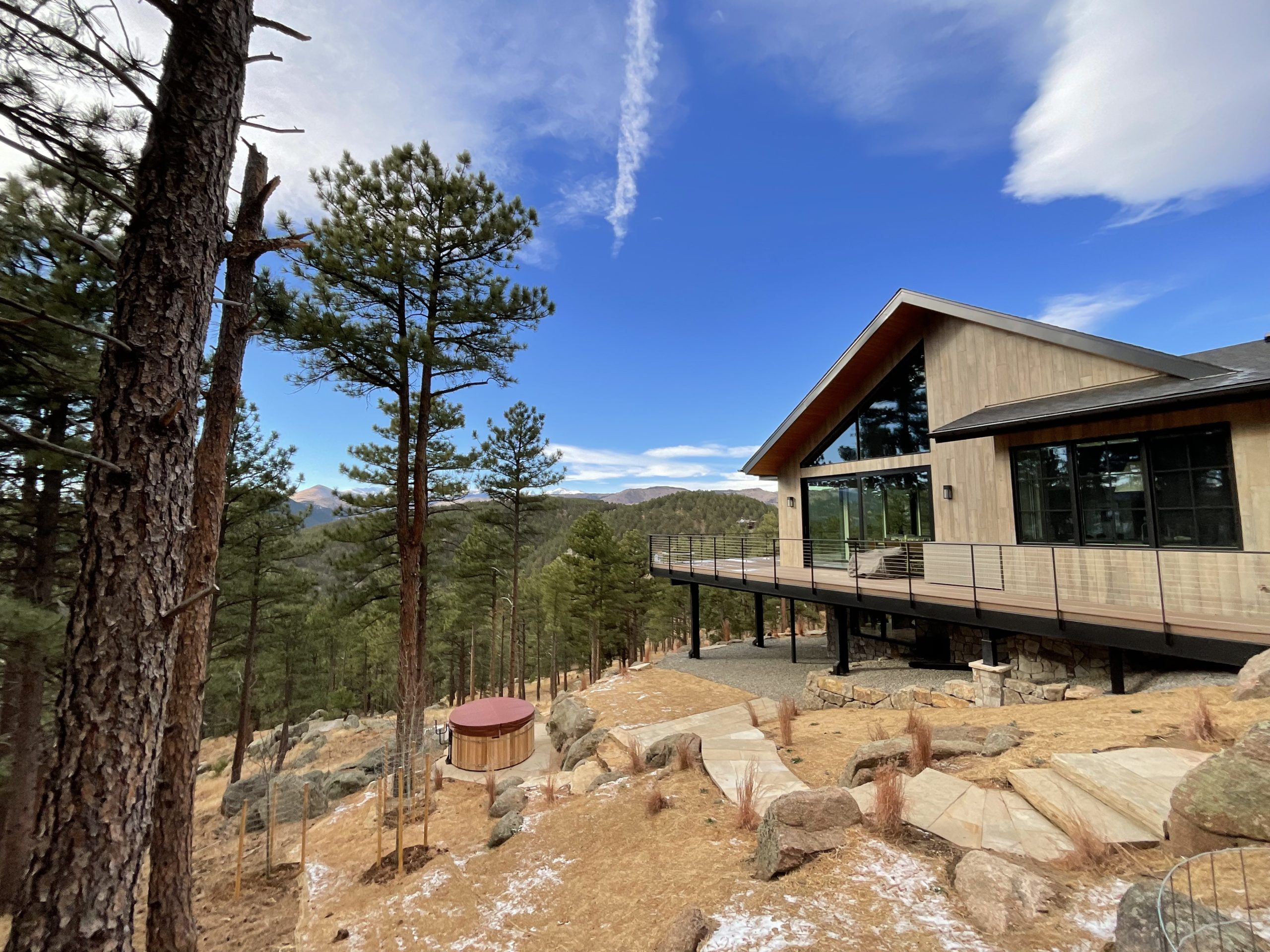
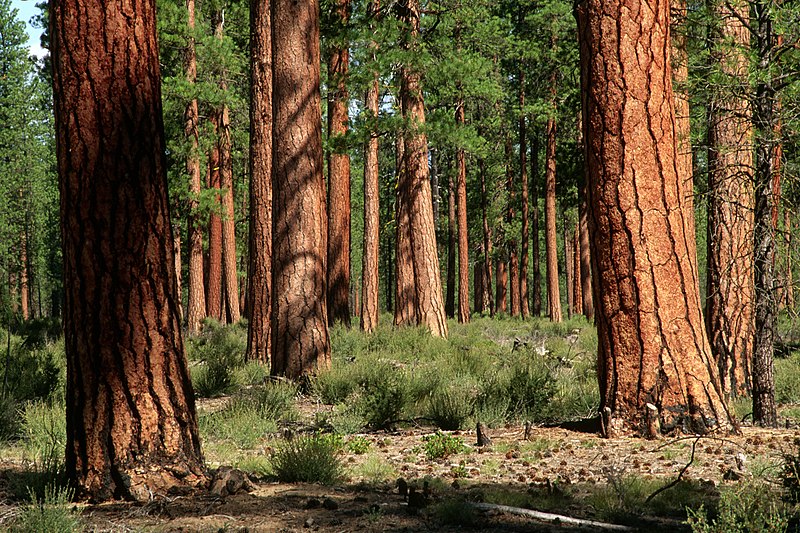
Defensible Space Examples
Comments are closed.