

Removing hazardous vegetation is one of the most impactful steps Boulder County homeowners can take to reduce a home’s ignition potential. But once the work is done, whether you’ve removed junipers through the Junk Your Junipers program or cleared other flammable plants from around your home, you may find yourself wondering: what should I plant instead?
The resources and best practices below can help guide your replanting decisions and keep your landscape working in your home’s favor.
Best Practices for Ignition-Resistant Landscaping
Whether you’ve already “Junked your Junipers” or you’re just starting to think about your landscape, these best practices will help you make choices that support your home’s defensibility over time:
- The First Five Feet: The first 0-5 feet around your home should act as a barrier with limited combustible material. The best option is no plants or combustible materials within five feet of your home. Any sparse plantings should consist of low, ignition-resistant and well-maintained ground covers.
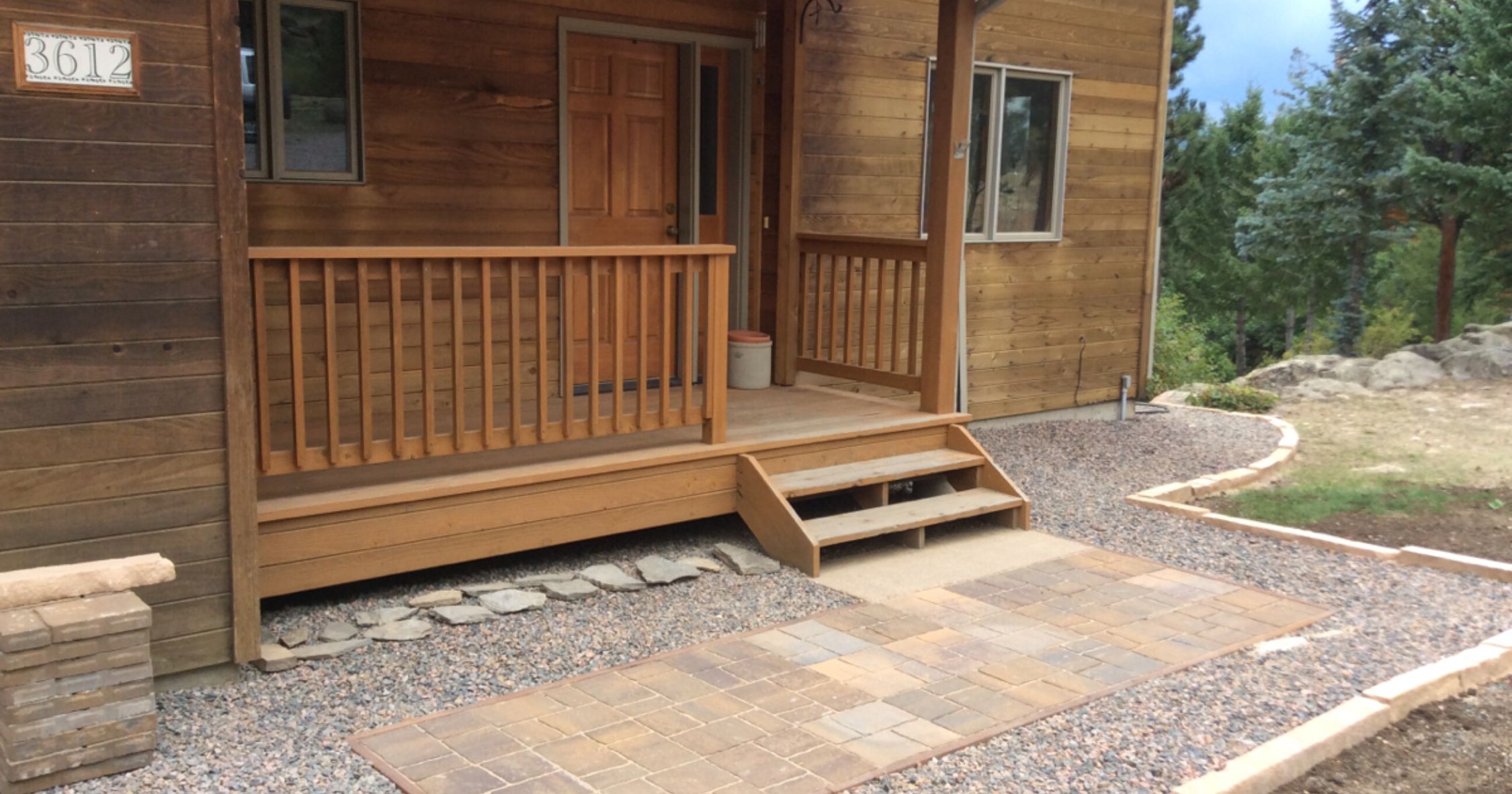
An example of a non-combustible barrier within the first five feet of the home.
- Select Ignition-Resistant Plants: When planting within 5-30 feet of your home, choose plants with a high moisture content. More on that below!
- Plant Islands or Clusters: The closer plants are to the house, the lower, more ignition-resistant, spread out, and well maintained they should be. Island planting or clusters diversify your landscape and create safe spacing between vegetation.
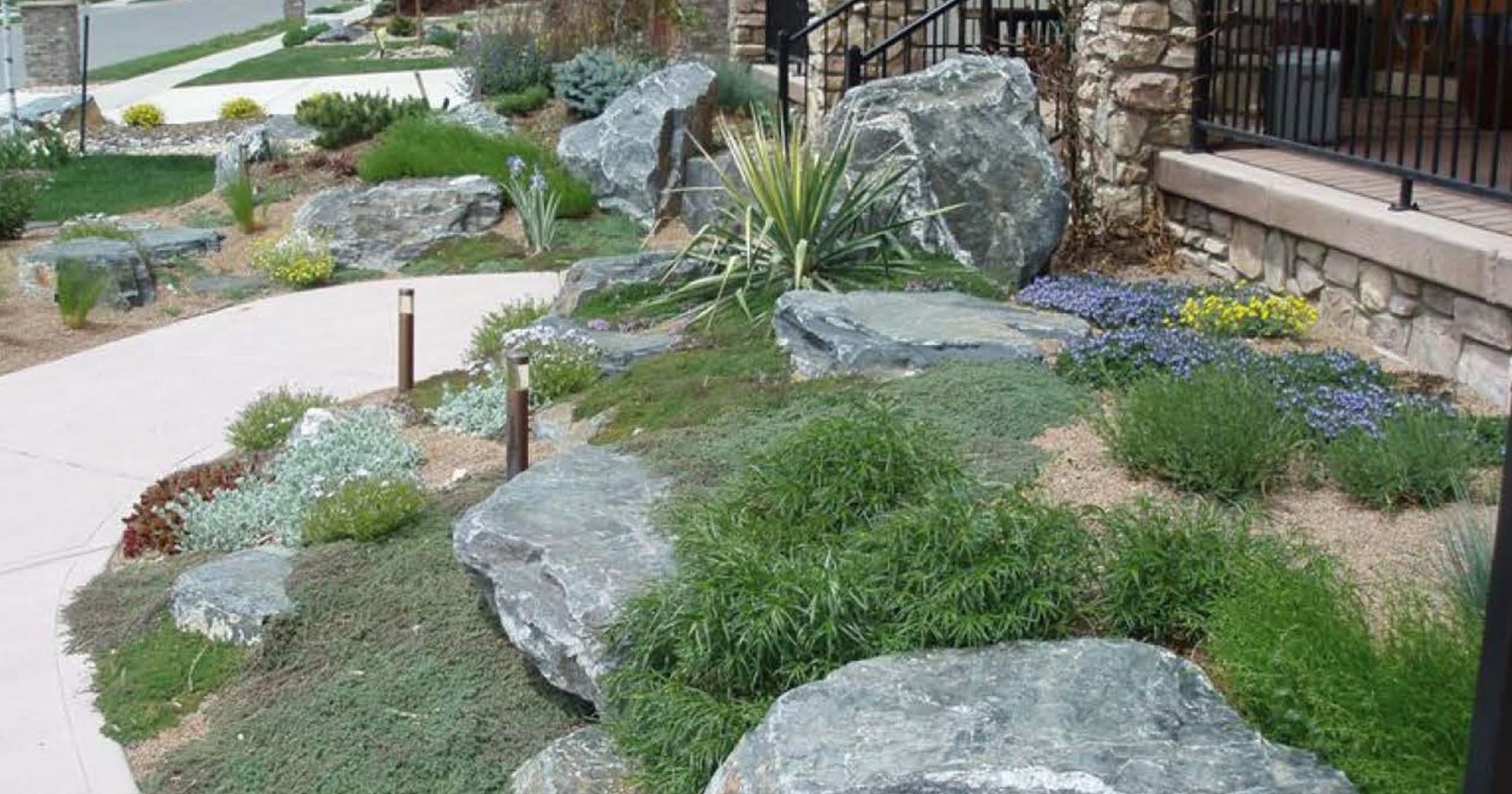
An example of plant islands near a home.
- Incorporate Hardscaping: Hardscaping creates spacing between plant clusters and adds a decorative element to your landscaping. Boulders, turf, gravel, and stone break up a fire’s pathways to your home.
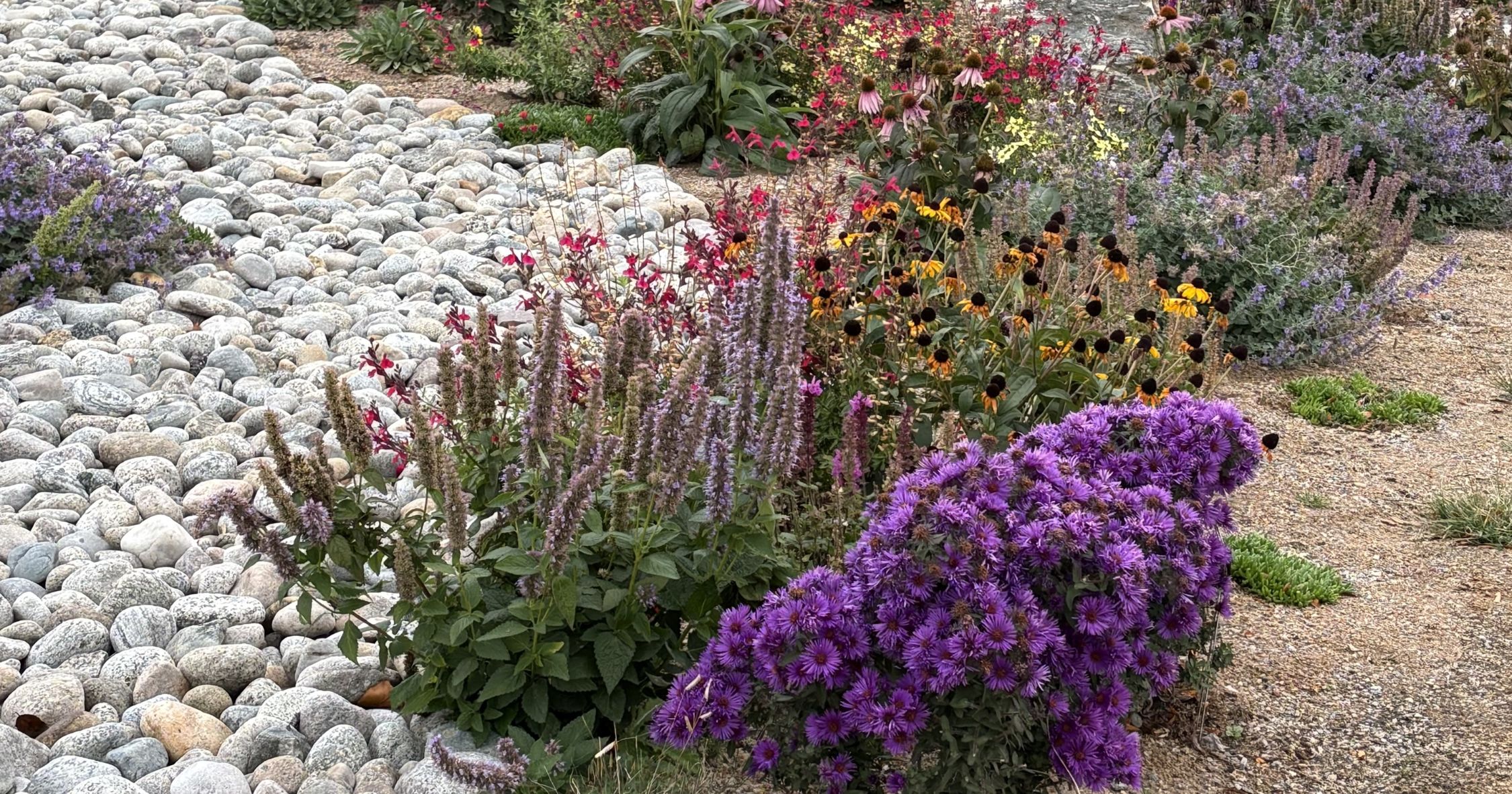
An example of hardscaping.
- Prioritize Deciduous Trees: Deciduous trees like aspen have a higher moisture content than coniferous trees. Consider removing existing conifers like juniper or pine within 5-30 feet of your home and avoid planting any new conifer species going forward.
Planting with CSU’s Ignition-Resistant Landscape Plant List
CSU Extension has a variety of resources available on ignition-resistant landscaping, including the Ignition-Resistant Landscape Plant List. This fact sheet provides a detailed list of ignition-resistant plant species suitable around your home. Plants for areas greater than 30 feet from your home are not included.
Scale of Plant Flammability
CSU’s list measures plant flammability on a 0-10 scale, with 10 being the least flammable. A plant’s score is based on characteristics like moisture content, oil or resin levels, growth form, stem type, and drought tolerance, all factors that influence how readily a plant can ignite and carry fire toward a structure.
In general, plants with a higher score (i.e. 10) can be planted closer together and closer to your home. Plants with a lower score (i.e. 8) should be further apart and further from your home.
Maintenance and Upkeep
After choosing ignition-resistant plants for your landscape, CSU encourages plant maintenance. Selecting ignition-resistant plants is the first step, and the ongoing upkeep of your plants and landscaping is what helps maintain your home’s low ignition potential over time.
More details on the why, how, and key elements of ignition-resilient landscaping can be found in our Wildfire Partners fact sheet:
Concerned About Your Vegetation? Our Mitigation Specialists Can Help
Landscaping decisions can feel overwhelming, especially when you’re weighing aesthetics, water use, and wildfire safety all at once. That’s where Wildfire Partners can help. Through our Individual Home Assessment program, a Mitigation Specialist will walk your property with you, evaluate vegetation concerns, and help you build a plan that fits your home and your property. Assessments include a two-hour on-site evaluation of both vegetation and structural vulnerabilities.
Ready to get started? See if you’re eligible and schedule your assessment today.
Comments are closed.